Skip to content
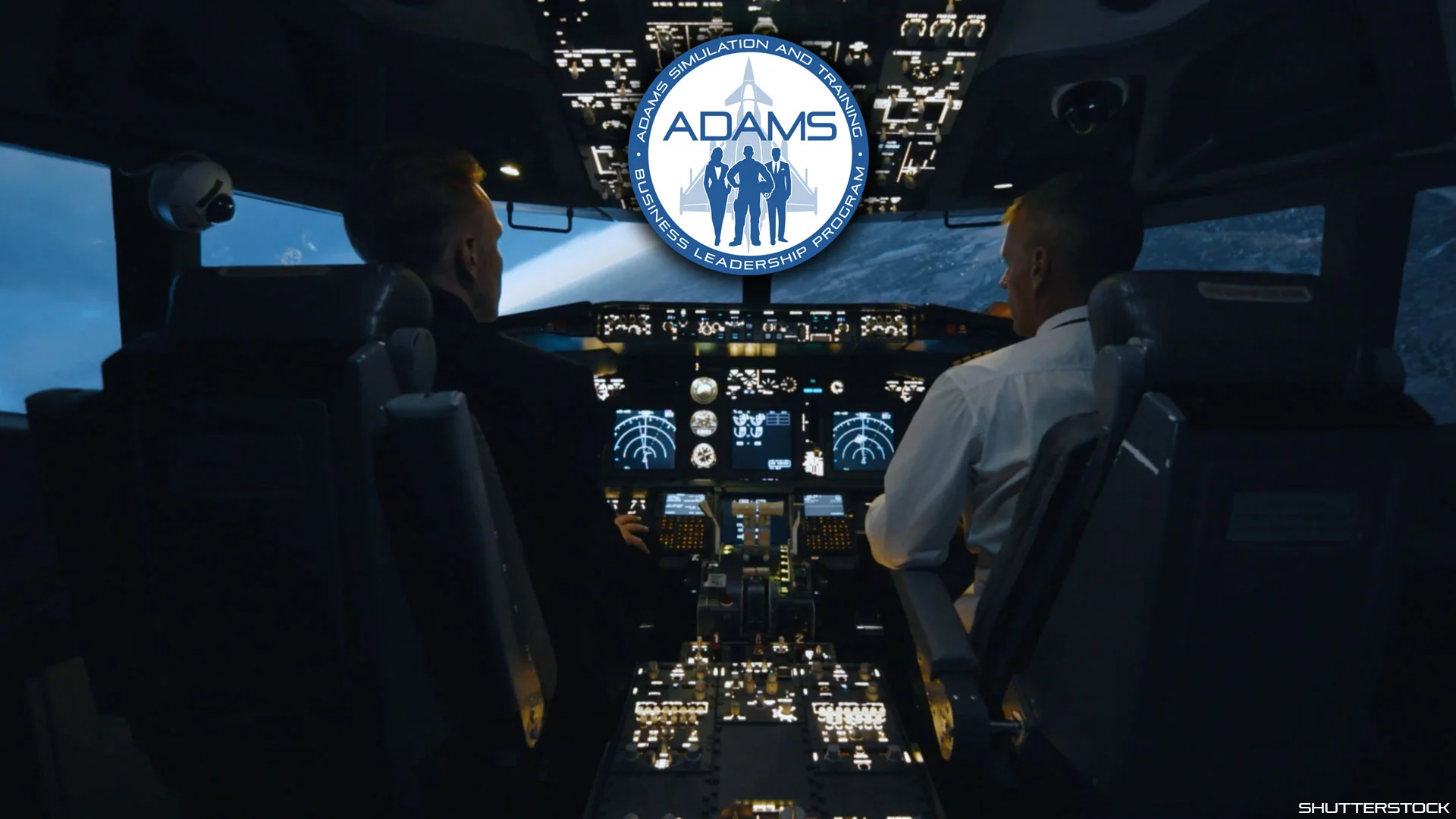
Role Model in the Cockpit
A team dedicated to safety and well-being
In commercial aviation, flight crews are typically reassigned for each so-called rotation—a period lasting two to five days during which the crew often flies to several destinations per day.
The crew members, who must work closely together during this time to ensure the safety and well-being of the passengers, are often people who have never met before.
To ensure that this team still functions smoothly and efficiently, it is essential to have a clear division of tasks and roles, thorough preparation, and clear and unambiguous communication. This is particularly essential in critical situations.
Unfavorable general weather conditions
Recently, one of our fellow female captains shared a story about a long-haul flight she had flown with a co-pilot she hadn't met before.
The general weather conditions for the flight to Southeast Asia suggested a rather unstable and turbulent atmospheric layer, gusty winds, and wind shear. During their pre-flight preparations in Frankfurt, the crew therefore decided to carry an additional supply of fuel to cover potential holding patterns and to allow for a diversion to an alternate airport located relatively far from the actual destination but with significantly better weather forecasts.
Proactive Action
As the crew was preparing for the final approach to the destination airport, the current weather conditions turned out to be better than expected: there were no warnings from air traffic controllers regarding wind shear, and the TCAS display showed that incoming traffic was landing without incident and that there were no frequent go-arounds.
Nevertheless, the co-pilot, who was the pilot flying (the pilot in command), carried out the wind shear maneuvers into his approach briefing to refresh everyone’s memory on the procedures and actions to take in the event of an emergency.
Role model in the cockpit
The captain found the first officer's actions so exemplary and proactive that she specifically praised them during a debriefing with the crew after landing.
In every respect—whether it was error management, communication, or leadership—he had acted in an exemplary manner.
Aviation guidelines—a model for your business as well
These skills are also of the utmost importance for your business. If you’d like to learn how aviation guidelines can be applied to your business, check out our seminars.
Take advantage of
✅ Eurofighter-Simulator missions instead of PowerPoint
✅ Coaching by experienced pilots – from Aircrews for Leaders
✅ Apply of what you’ve learned to your day-to-day business operations