Skip to content
A close call during the monsoon
Suddenly, the runway comes to an end—a serious communication error in the cockpit
A routine flight to Bangkok
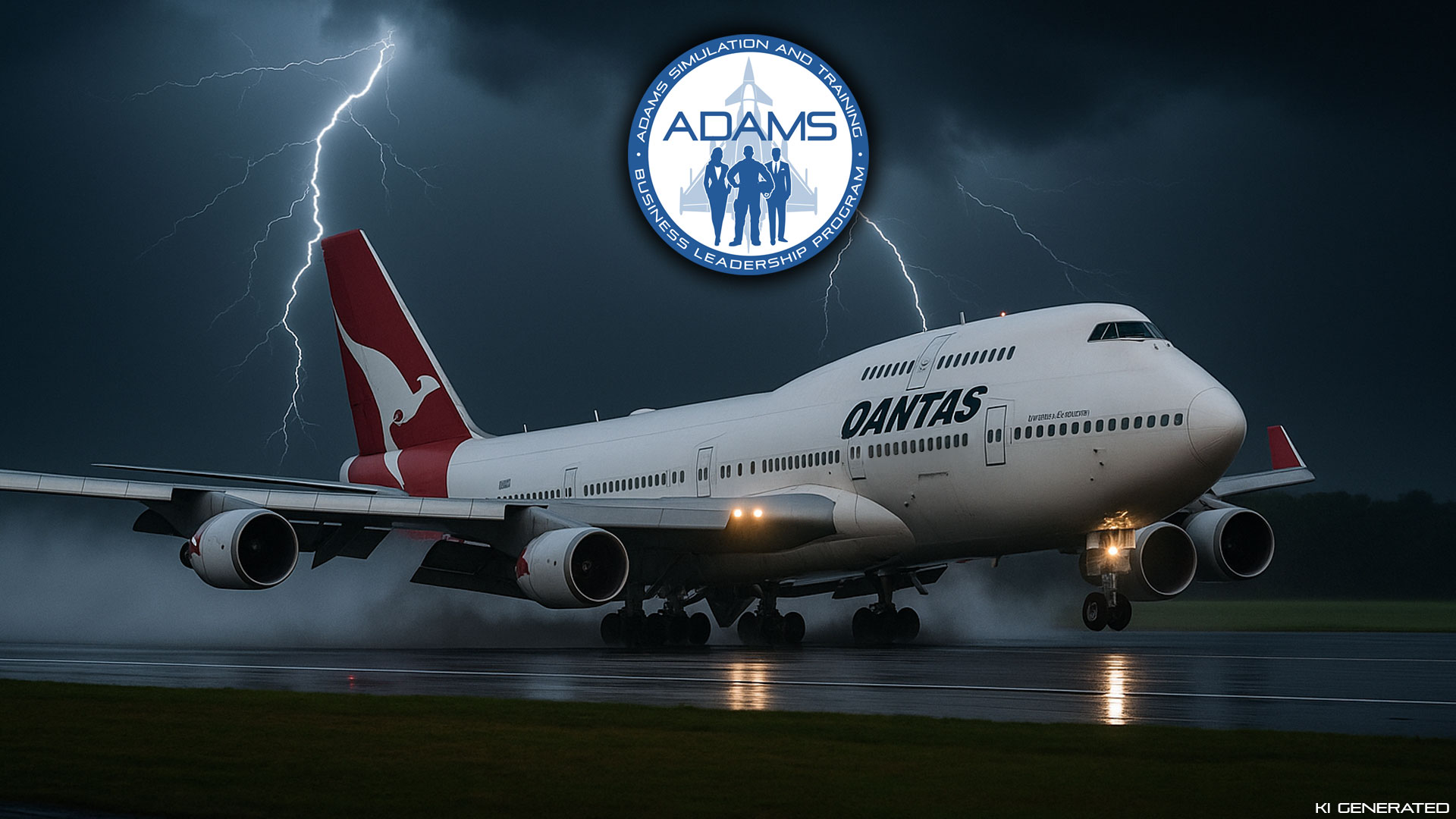
Dies ist die Geschichte von Qantas-Flug QF1. Wir schreiben den 23. September 1999, eine aus Sydney kommende Boeing 747-400 setzt mit 391 Passagieren und 19 Crewmitgliedern zur Landung in Bangkok an. Der Erste Offizier, der Copilot, ist an diesem Tag der Pilot Flying und übernimmt das Fliegen, während der Kapitän die Rolle des Pilot Monitoring ausübt und für die Überwachung zuständig ist.Monsoon rains and poor visibility – a challenging landing
Es ist Monsun-Zeit, Gewitter und Regenschauer sind an der Tagesordnung und auch heute regnet es während des Landeanflugs. Als der Jumbo-Jet dem Aufsetzpunkt näherkommt, verstärkt sich der Niederschlag und der Copilot setzt aufgrund der eingeschränkten Sicht den sogenannten “Flare”, den Abfangbogen, zu hoch an. Das Flugzeug schwebt zu lange über der Landebahn, wertvolle Meter Asphalt bleiben ungenutzt.Hit the ground running—or not?
Der Regenschauer erreicht gleichzeitig sein Maximum und schränkt die Fernsicht weiter ein, so dass der Kapitän nur schwer einschätzen kann, wieviel Landepiste noch zur Verfügung steht. Er ordnet daher ein Durchstartmanöver an. Der Copilot schiebt daraufhin die vier Schubhebel wieder nach vorne, um die Triebwerke auf volle Leistung zu beschleunigen. In diesem Moment berühren die Räder des Fahrwerkes den Boden.Communication errors with serious consequences!
Der Kapitän entschließt sich nun doch gegen das Durchstarten und für die Landung, versäumt es aber, seine Meinungsänderung zu kommunizieren. Er übernimmt das Kommando und zieht drei der vier Schubhebel in die Leerlaufstellung. In der Hektik verbleibt der Schubhebel von Triebwerk Nummer Eins auf Höchstleistungsstellung. So können weder die automatische Bremsfunktion noch die Bremsklappen des Jumbo-Jets in Funktion treten, denn dafür müssen alle Schubhebel in Leerlaufstellung sein.A last-minute correction saves lives
Mit einem Viertel des vollen Triebwerksschubes und ohne ihre Bremsklappen rast QF1 weiter die Piste entlang. In letzter Sekunde bemerkt der Copilot die Fehlstellung des linken Schubhebels und zieht ihn in die Leerlaufstellung. Endlich fahren auch die Bremsklappen auf der Flügeloberseite aus. Die Bremswirkung ist jedoch trotz der eingeleiteten Vollbremsung herabgesetzt, weil die Landebahn mit einer Wasserschicht überzogen ist. Der Jumbo erreicht das Ende der Landebahn mit einer Geschwindigkeit von 163 km/h und kommt erst 200 Meter hinter ihr zum Stehen. Das Flugzeug wird schwer beschädigt, doch die Passagiere bleiben wie durch ein Wunder unverletzt.Clear communication instead of disaster
Nicht immer haben Fehler in der Kommunikation solch gravierende Folgen. Aber jedes Projekt, jede Teamarbeit gewinnt durch strukturierte, präzise und effiziente Kommunikation. Erlebe, wie klare Sprache und einheitliche Abläufe wie im Flugfunk über Erfolg und Misserfolg entscheiden.Your benefits:
✅ Eurofighter-Simulator missions instead of PowerPoint
✅ Coaching by experienced pilots – from Aircrews for Leaders
✅ Apply of what you’ve learned to your daily work life