Skip to content
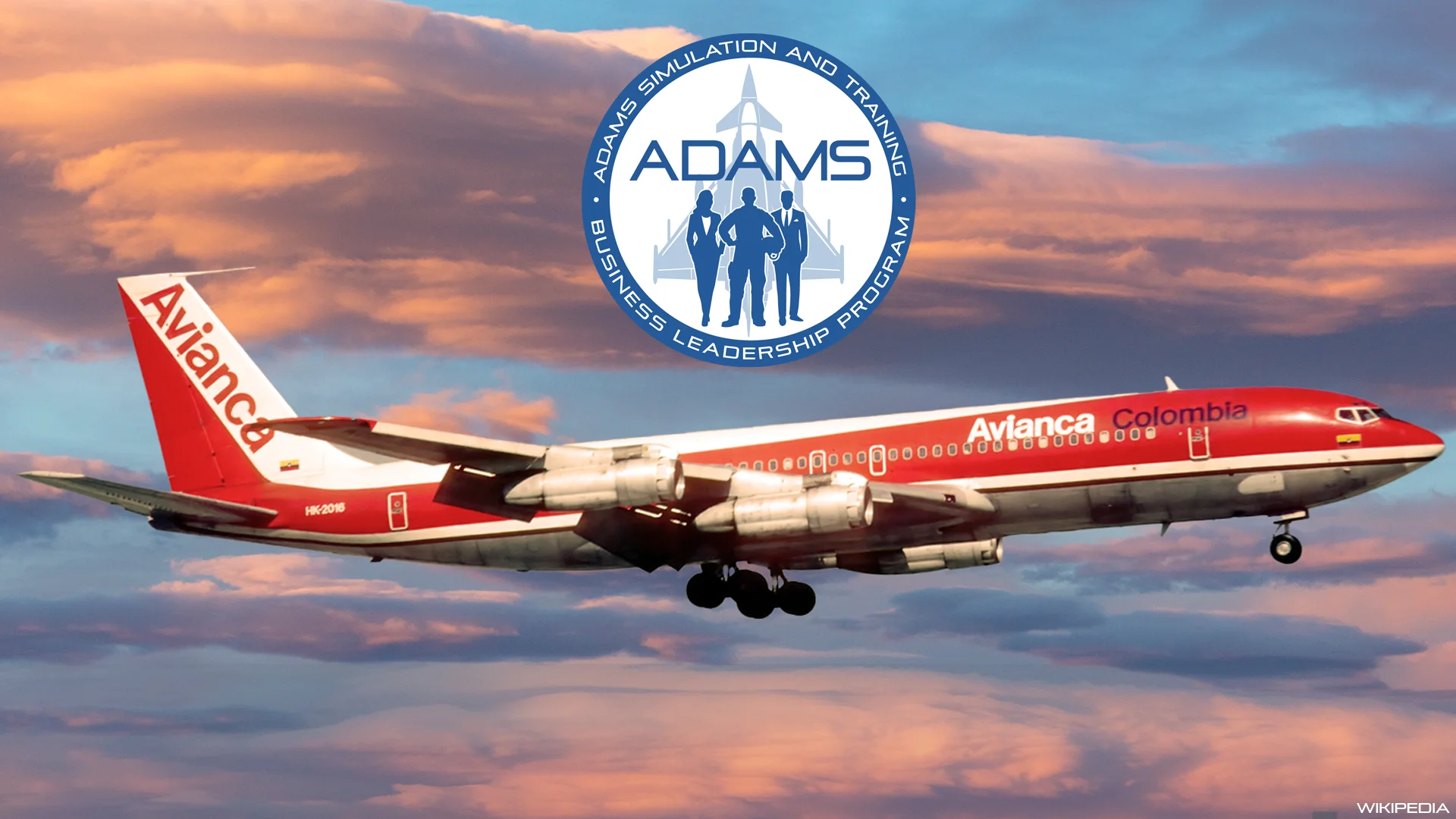
Avianca Flight 052
Unclear communication costs lives
On January 25, 1990, an Avianca Boeing 707 with 158 people on board was en route from Colombia to New York. The winter weather on the ground—with low clouds, reduced visibility, and strong winds—forced many approaching aircraft to perform go-arounds: they had to abort their landing approach, take off again, and initiate another approach. As a result, JFK Airport significantly reduced the number of possible approaches per hour, and aircraft waited in a “holding pattern” for their landing clearance.
The Final Minutes of Avianca Flight 052
Avianca 052 also circles for nearly 90 minutes off the U.S. East Coast. When the remaining fuel on the Boeing 707—an older, fuel-guzzling aircraft—no longer allows for any further delays, the crew requests priority in receiving landing clearance:
“Avianca 052 requests priority. We are running out of fuel.”
But this radio message fails to convey the gravity of the situation. The air traffic controllers, who are already overworked, do not know whether the fuel will last for 5 minutes or 50 minutes. They do not ask for clarification, and the crew fails to draw attention to the emergency again in unambiguous terms.
This lack of communication proves to be a fatal mistake. By the time Avianca 052 finally receives clearance to land, there are only a few hundred liters of jet fuel left in the tank, and those are completely used up by the time the plane has to go around. During a desperate attempt to make another approach, the engines fail due to a lack of fuel, and the Boeing 707 crashes in the New York suburb of Long Island, just a few kilometers from the runway that could have saved them. 73 people on board die.
Learning from the tragedy
This terrible accident could have been prevented. A clear, unambiguously communicated:
“Avianca 052, MAYDAY, MAYDAY, MAYDAY, fuel emergency, we have to land NOW”,
would have meant the difference between life and death. The aviation industry has learned from this disaster: Since then, a “Mayday call” has been mandatory when fuel reserves reach a level corresponding to 30 minutes of remaining flight time.
Communication in a Leadership Context
This example shows that clear communication saves lives in aviation—and is a must for you, too!
Whether you’re a CEO defending your decisions to the board of directors, a team leader tasked with preventing a project from failing, or an engineer explaining new safety-related procedures in production—efficient, clear communication is the key to success. And that goes for your team, too!
Your communication training in the Eurofighter
In the "Communication" executive seminar of the Business Leadership Program , you’ll learn firsthand from our experienced pilots how professional communication works under time pressure and in potentially difficult situations. You’ll learn that clarity reduces errors, mutual confirmation of what has been heard prevents misunderstandings, and clearly communicated decisions promote acceptance within the team.
Hands-on instead of PowerPoint
And here’s the highlight: As a pilot in the Eurofighter simulator, you’ll experience firsthand—through realistic scenarios—how communication becomes a key skill. Will your team rise to the challenge? Join us on a successful flight into the world of communication and find out!
Your benefits:
✅ Hands-on missions in our professional Eurofighter simulator instead of dry theory
✅ Immediate feedback through realistic scenarios
✅ Coaching from experienced pilots
✅ Payment methods for everyday business use
✅ Workshops available at your location