Skip to content
A Close Call
When seconds mean the difference between life and death – a culture of learning from mistakes, just like in the cockpit
Air Combat Maneuvering – the most dangerous training
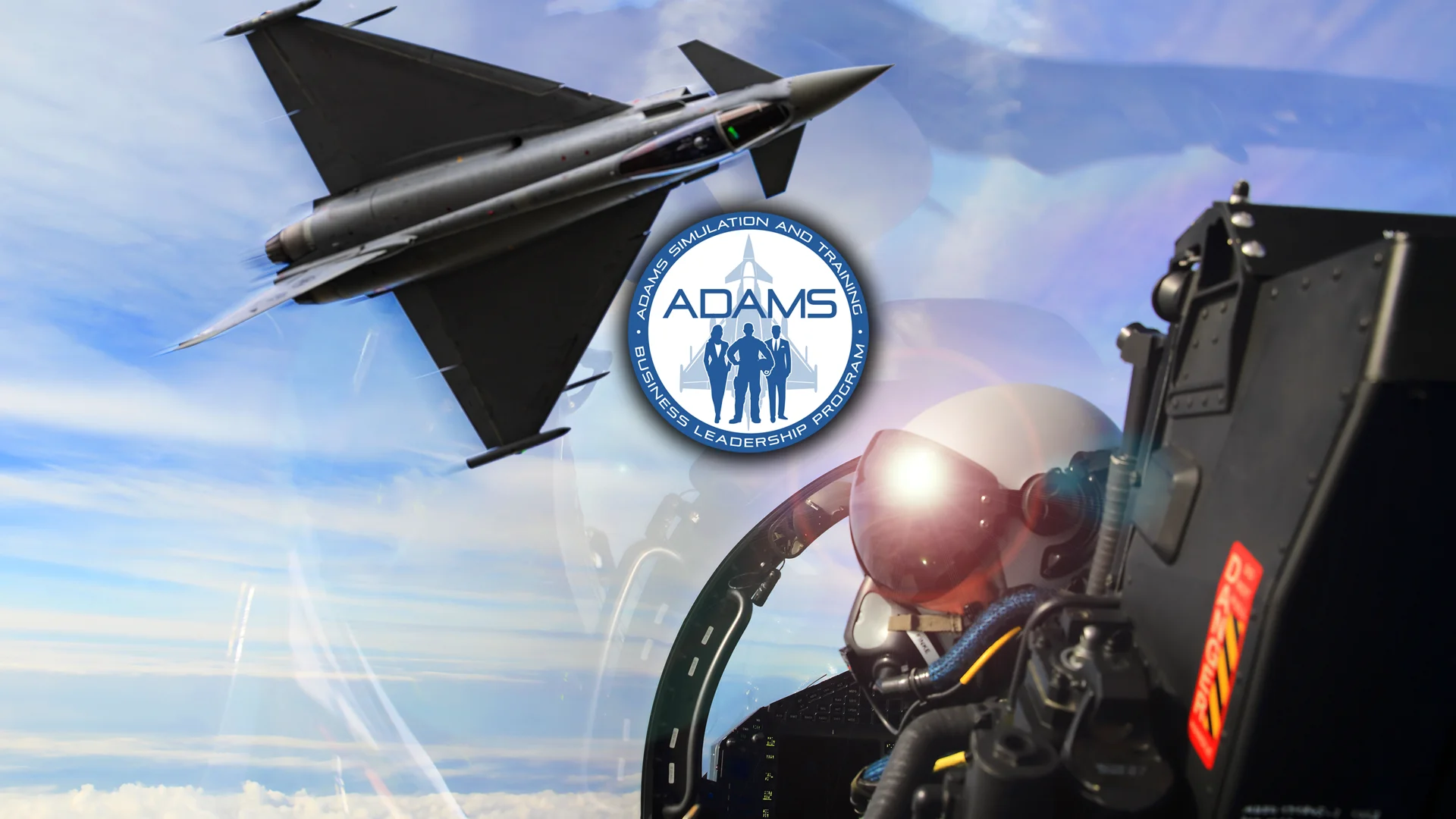
It’s a clear winter day. Under bright sunshine, we take off in three Eurofighters for Air Combat Maneuvering Training. I know that ACM is the most dangerous exercise we train for as pilots. In this drill, two aircraft attempt to fend off an attack by a third. The fighter jets circle each other in a very tight space at speeds of up to 1,000 km/h. Precision is essential; seconds decide between life and death. What I don’t know at this point: Adverse conditions—and yes, mistakes too—will lead today to the chain of errors feared by all pilots, one that will nearly cost us our lives.
When the sun becomes the enemy
Even before the dogfight begins, I lose sight of my opponent for the first time. Because the sun is low in the sky during the winter months, it’s unusually difficult today to visually track the flight paths of the other aircraft and anticipate their next maneuvers. But I absolutely have to be able to do this, because at a relative approach speed of nearly 2,000 km/h, only a few seconds separate a safe distance from a fatal collision.
A few seconds into the dogfight, I lose sight of my opponent again in the blinding sunlight. There’s no time to waste. I decide to change course away from the fray to improve my angle to the sun and thus my visibility. A split second later, I turn my head in the direction where I suspect the fight is happening—and suddenly it goes dark in my cockpit. The enemy aircraft flies past me just a few meters away—a near-collision. The shock runs through all of us.
Debriefing and the Swiss Cheese Model
We're ending the dogfight and flying home. We need to debrief the situation: What happened, and how can we prevent something like this from happening again in the future?
As pilots, we are familiar with the Swiss cheese model, which compares different levels of safety to layers of cheese stacked one on top of the other. The holes in the cheese symbolize the vulnerabilities that exist at each level. Our debriefing reveals that an unforeseeable combination of individual factors during our flight allowed an “error trajectory” to pass through the holes in several “slices of cheese.” We narrowly escaped a disaster.
But there is one gap we can close: From now on, the low position of the sun during the winter months will be taken into account in every briefing.
A culture of learning from mistakes that saves lives
Mistakes happen everywhere—including in your company. Join our seminars to learn about the error-handling culture that saves lives in aviation.
Start your mission
✅ Error Management – Open analysis, continuous improvement: Acting with confidence using learning systems
Take advantage of:
✅ Eurofighter simulator missions instead of PowerPoint
✅ Coaching by experienced pilots – from Aircrews for Leaders
✅ Apply what you’ve learned to your daily work life
✅ Seminars available at your location