...

Date: March 24, 2026, 8:30 p.m. – Duration: 60 minutes

Cockpit Call

Hierarchies—Are they a work of art, or can we do without them?

The boss is always right and has the final say—right?
Often, the boss makes the decisions and the team carries them out. Unfortunately, this structure has a serious flaw. If the boss makes a mistake, there may be no one to correct it. What happens if the boss is the most experienced in terms of tenure but has been surpassed in expertise by younger colleagues? Is progress within the company still possible in that case?  

In the second part of our webinar series on “Hierarchies,” learn how Crew Resource Management in aviation addresses these challenges. After all, what matters here is not just an individual’s rank in the cockpit or cabin, but their awareness, knowledge, and skills—as well as their ability to compensate for others’ mistakes.  

Talk directly with Tim (Eurofighter pilot) and Torsten (P3 pilot) and discuss how lessons learned from aviation can be applied to other industries.

TUESDAY

24.03.2026

START

8:30 PM

Webinar Registration

Tuesday, March 24, 2026 - 8:30 p.m. - Duration: 60 min.
Tim Vetter

Tim Vetter

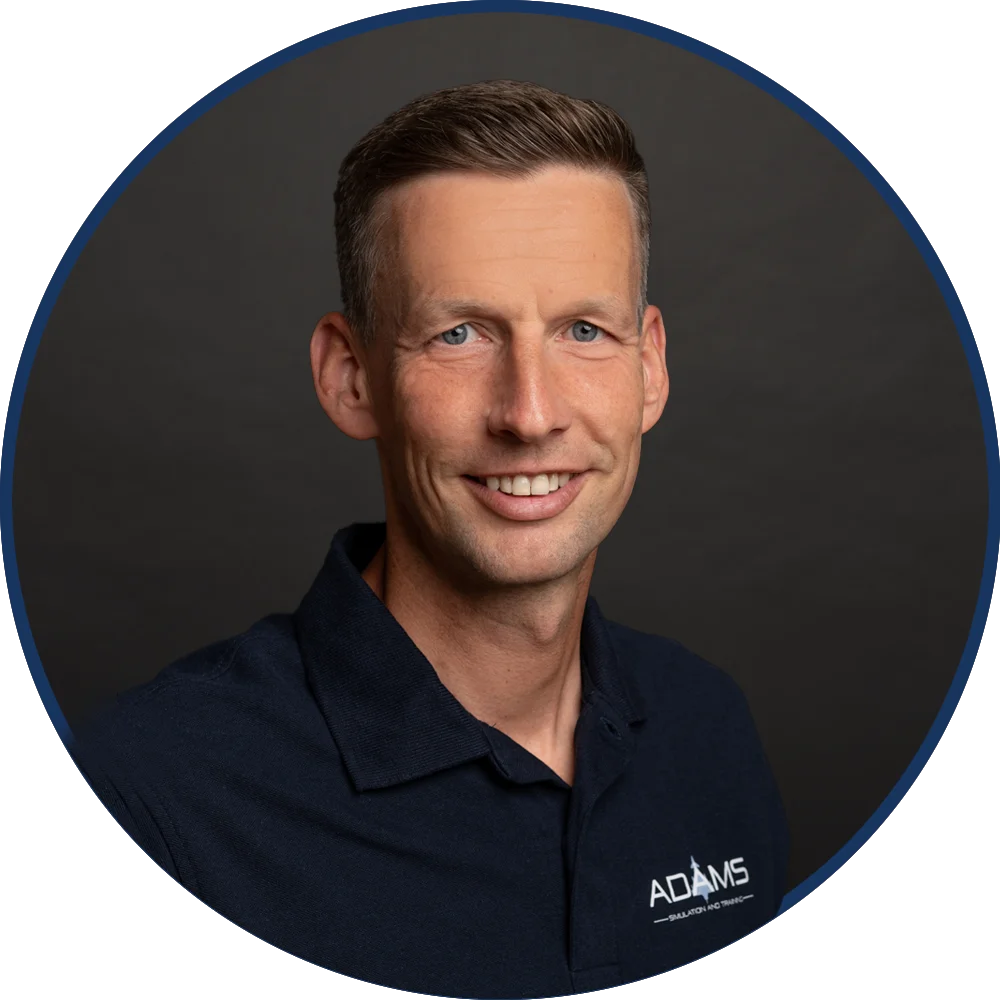
Tim Vetter is one of only three Air Force pilots to have successfully completed not only jet pilot training at Sheppard Air Force Base but also transport pilot training at the Lufthansa Commercial Pilot School in Bremen. In the Air Force, he served as a Transall pilot and later as a Eurofighter pilot. His unique career path has given him deep insights into both civil and military aviation. As a flight safety officer and human factors trainer, he has been successfully working for many years to raise awareness among people in high-risk industries about the physiological and psychological effects and consequences of exceptional situations. His goal is to simultaneously increase both safety and efficiency in everyday professional life.

Torsten Brotke

Torsten Brotke

Torsten Brotke served as a pilot on the German Navy’s first operational crew of the P-3C Orion for maritime reconnaissance. He later served as the aircraft’s commander. His military career included several overseas deployments. After transitioning to civil aviation, he worked as a flight instructor at Lufthansa Aviation Training in Bremen and as a first officer on scheduled flights out of Munich. Throughout his career, he has also worked as a human factors trainer and peer mentor, and later as a safety and compliance manager. As a coach, he has been supporting executives for many years. His focus is on human factors, communication, and responsible decision-making—even under pressure, with foresight, and as part of a team.